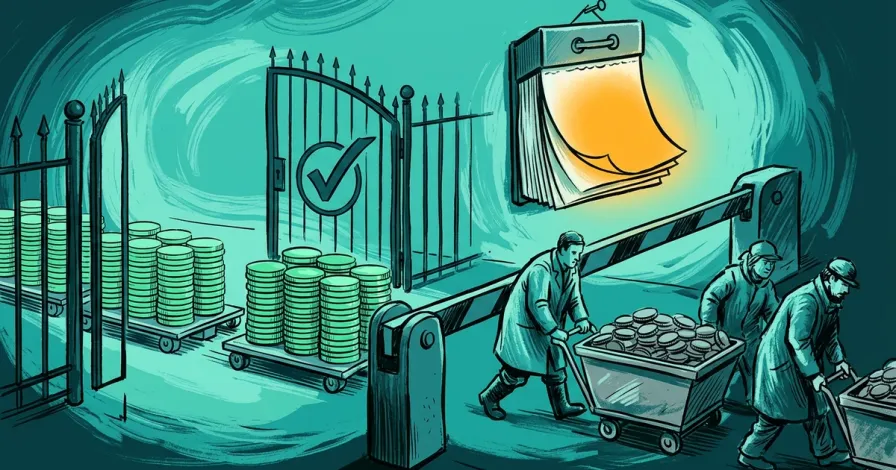
If you keep your crypto savings in USDT on a European exchange, you have a deadline. On 8 October ESMA, the European Union’s securities markets supervisor, asked licensed platforms to stop providing services for stablecoins that do not comply with MiCA within a maximum of three months. And on 14 October the European banking authority made USDC the Union’s first “significant” stablecoin, under its direct supervision.
The short answer: stablecoins without MiCA authorisation leave European exchanges by around 8 January 2027 at the latest, and swapping them for another stablecoin or for euros is taxed in your income tax return. At CryptoImpuestos we have gone through the texts from ESMA and the European Banking Authority (EBA) to tell you what changes, what you can do and what tax consequences each option has.
 What is a stablecoin and why is MiCA focusing on them?
A stablecoin is a cryptocurrency designed to always be worth the same as something else, usually a dollar or a euro. To achieve this, the company that issues it holds a reserve: for every token in circulation it should hold the equivalent in cash or in very safe assets, such as short-term government debt.
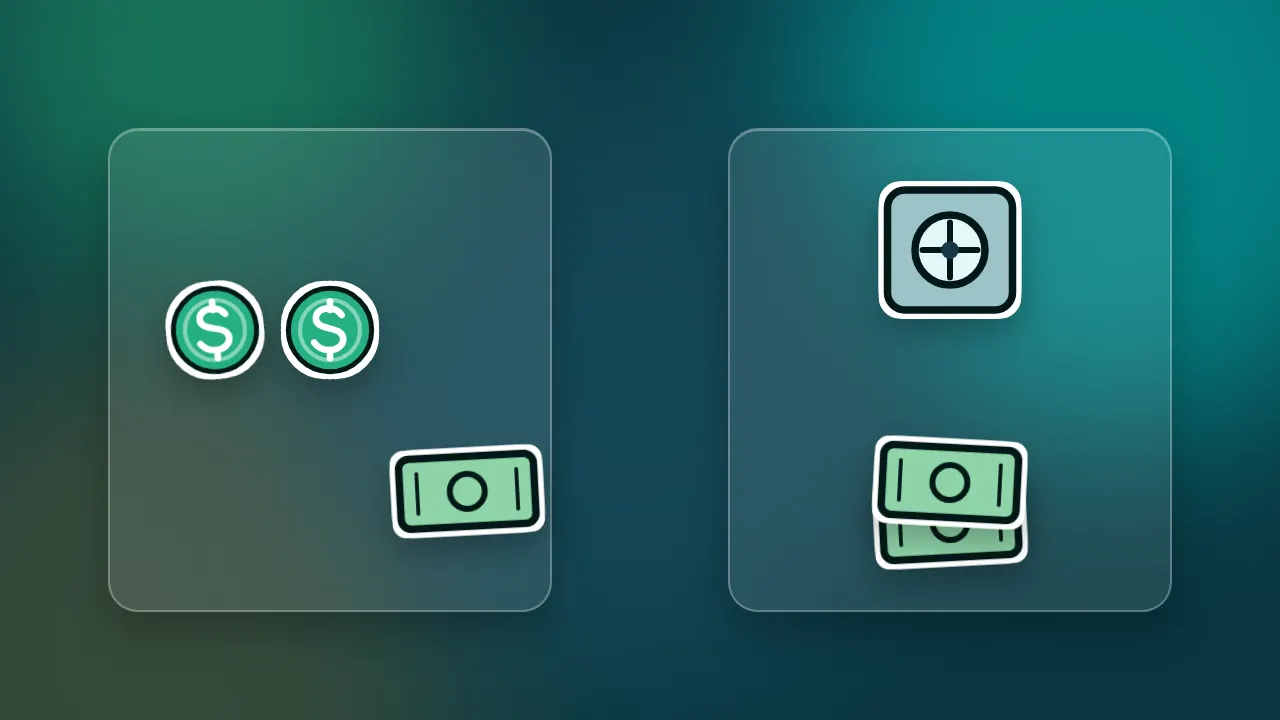
If the reserve fails, the token stops being worth a dollar. That is why the European MiCA regulation treats stablecoins more strictly than any other cryptocurrency: the issuer needs a licence, has to keep the reserves segregated, publish information and guarantee that you can redeem your tokens at par.
In MiCA’s language, stablecoins pegged to a single official currency, such as USDC or USDT, are called e-money tokens (EMTs). Those pegged to a basket of assets are asset-referenced tokens (ARTs).
 What did ESMA say on 8 October?
ESMA published an opinion addressed to national supervisors setting out what it expects from authorised crypto service providers. In short:
- Platforms with a MiCA licence must stop providing services for e-money tokens and asset-referenced tokens that do not comply with MiCA.
- Any remaining positions must be wound down as soon as possible and within three months at most of the opinion’s publication. From 8 October, that takes you to 8 January 2027.
- In the meantime, limited services are allowed so you can get out: selling, converting, withdrawing, transferring and holding in custody.
The opinion does not name any stablecoin. Specialist media, such as CoinDesk, give Tether’s USDT and PayPal’s PYUSD as examples, because their issuers do not have MiCA authorisation in the Union.
In practice, many platforms had already moved ahead. Coinbase withdrew USDT for its European customers in December 2024, Crypto.com announced its withdrawal from 31 January 2025 and Kraken completed its own on 31 March 2025, converting any remaining balances into an equivalent stablecoin. What ESMA is doing now is putting a date on all the others.
 What does it mean for USDC to be a “significant” stablecoin?
On 14 October the EBA, the European Banking Authority, classified USDC as a significant e-money token. It is the first of the 45 notified in the Union to receive that label. MiCA reserves it for stablecoins that exceed certain size thresholds: number of users, value issued and volume of transactions.
What changes? From 12 November 2026, supervision of USDC becomes twofold. The EBA takes over oversight of the own funds, asset reserve, liquidity and recovery and redemption plans of Circle Internet Financial Europe, its issuer in the Union. The French supervisor, which granted its licence, keeps the rest.
For you, it means more control over what sits behind each USDC. It does not mean USDC is guaranteed like a bank deposit, nor that it cannot lose its peg. An authorised stablecoin is a supervised stablecoin, not a current account.
 The dates you need to keep in mind
Bear in mind: 8 January is the latest date. Each platform can set its own earlier timetable, and some automatically convert any remaining balances. Check your platform’s notices.
 What can you do with your USDT?
You basically have four options, and none of them is neutral:
- Swap it for an authorised stablecoin, such as USDC or a MiCA-licensed euro stablecoin, on the same exchange.
- Sell it for euros and leave the money in your account or withdraw it to your bank.
- Withdraw it to your own wallet. MiCA regulates platforms, not what you hold yourself. If you are not sure what that means, start with what a crypto wallet is.
- Do nothing and let the platform apply its plan, which may include an automatic conversion on a date of its choosing.
The choice is not only about security. The first three have different tax consequences, and so does the fourth.
 Is swapping USDT for USDC taxed?
Yes. For the AEAT (Spanish tax agency), exchanging one cryptocurrency for another is a swap, and the DGT (Spain’s Directorate General for Taxation) made this clear back in 2018, in binding ruling V0999-18: the exchange generates a capital gain or loss that goes into the savings base of IRPF (Spanish personal income tax). It makes no difference that both are stablecoins or that they are “worth the same” in dollars.
Why can there be a gain or loss if both are worth a dollar? Because you declare in euros, and the euro and the dollar move against each other.
With round figures: you bought 1,000 USDT when they cost you 920 euros. Today you swap them for 1,000 USDC and, at that day’s exchange rate, they are worth 860 euros. You have a capital loss of 60 euros. If the dollar had risen, it would be a gain. The swap fees count too.
Three points that are often forgotten:
- If the platform converts your USDT automatically, that is also a swap, even if you have not pressed any button.
- The cost of that USDT is calculated using FIFO: if you bought it in several goes, the oldest units are used up first. We explain it in the FIFO method for cryptocurrencies.
- If you end up with a loss, you can offset it against other savings gains. You can see how in offsetting cryptocurrency losses in your tax return.
Withdrawing your USDT to your own wallet, on the other hand, is not a swap: you still hold the same coin. It will be taxed when you swap it or sell it.
Summary: what changes for stablecoins in Europe
| What | When | What it means for you |
|---|---|---|
| ESMA opinion on non-compliant stablecoins | 8 October 2026 | Licensed platforms must stop providing services for them |
| USDC, the EU’s first significant stablecoin | 14 October 2026 | More supervision of its reserves, not a guarantee |
| Direct EBA supervision of USDC | From 12 November 2026 | The EBA oversees reserves, liquidity and own funds |
| End of the deadline to exit non-compliant ones | 8 January 2027 at the latest | Sell, convert or withdraw before that date |
| Swapping USDT for another stablecoin | Whenever you do it | Swap: gain or loss in your income tax return |
 Frequently asked questions
Are they going to take my USDT away?
They are not taking it away: what platforms are doing is stopping offering services for it. During the exit period you can sell it, convert it or withdraw it. If you do nothing, each platform applies its own plan, which may be to convert it into another stablecoin.
Can I keep holding USDT in my own wallet?
Yes. The ESMA opinion is addressed to licensed service providers, not to what you hold in self-custody. That said, you will have fewer places in Europe to exchange it.
Is USDC now safer than USDT?
It is more closely supervised in Europe: it has a MiCA licence and from 12 November the EBA supervises its reserves. That reduces risks, but it does not eliminate them or turn it into a guaranteed deposit.
If I swap USDT for USDC and make nothing in dollars, do I have to declare it?
Yes. It is a swap between cryptocurrencies and is declared in euros. There may be a gain or loss due to changes in the exchange rate between the purchase and the swap, and the fees count too.
What if my exchange converted my USDT automatically last year?
That was also a swap and should have gone in that year’s tax return. If it was not included, it can be corrected with a supplementary return.
Before 8 January, sort out your history
Every stablecoin swap, every automatic conversion and every sale for euros is one more line in your tax return. If you do not want to calculate them one by one, send us your history and we will produce the document with all your exchanges and wallets using the global FIFO method the tax agency requires.
Sources: EBA: USDC, the EU’s first significant e-money token (14/10/2026) · ESMA newsroom: supervisory expectations on unauthorised stablecoins (08/10/2026) · CoinDesk: three months to remove unauthorised stablecoins · Cointelegraph: Kraken delists USDT in Europe · DGT, binding ruling V0999-18

Víctor Lázaro
Marketing Director, Cryptoimpuestos.es