
The law that would have let the Spanish tax agency seize your crypto in writing no longer exists. Nobody voted it down: it lapsed. On 6 October the BOE (Spain’s official gazette) published the dissolution of Parliament and, with it, every bill still halfway through Congress went in the bin. Among them was the one bringing DAC8 to Spain, the European directive that obliges exchanges to report what you do.
The short answer: the crypto seizure rule that was going to be written into law will have to wait for the next government, but your obligations towards the tax agency do not change one bit. Income tax (IRPF), Modelo 721 and the information Spanish exchanges already send are all still there. At CryptoImpuestos we have gone through the dissolution decree and the bill to tell you what has fallen and what is still standing.
 What exactly has happened?
Royal Decree 806/2026 of 5 October dissolved Congress and the Senate and called a general election for 29 November. The new Parliament will be constituted on 23 December.
When the Chambers are dissolved, the Standing Orders of Congress are clear: all pending business lapses, except for the few matters that go to the Permanent Deputation. A bill that has not had its final vote is not frozen. It disappears, and the next government has to approve it again and send it to Congress from scratch.
That is what has happened to the bill amending the General Tax Law to incorporate DAC8. It was published in the Parliamentary Gazette in June 2025, survived an amendment to reject it in its entirety in October that year and was still in committee when the dissolution came.
 What did the lapsed law contain?
For anyone holding crypto, three things:
- Crypto seizure, in writing. The General Tax Law has a list of assets the tax agency can seize from people who owe it money. The reform expressly added crypto-assets, so there would be no doubt about how they are seized.
- DAC8 in Spanish law. Reporting and due diligence obligations for crypto-asset service providers: identifying their customers and reporting their transactions to the tax agency in a format common to the whole European Union.
- New infringements for providers that fail to meet those obligations, and the replacement of the concept of “virtual currency” with “crypto-asset” in information returns.
A new information return, Modelo 175, which the tax agency had in draft, also hung on the text. Without the law behind it, that is up in the air too.
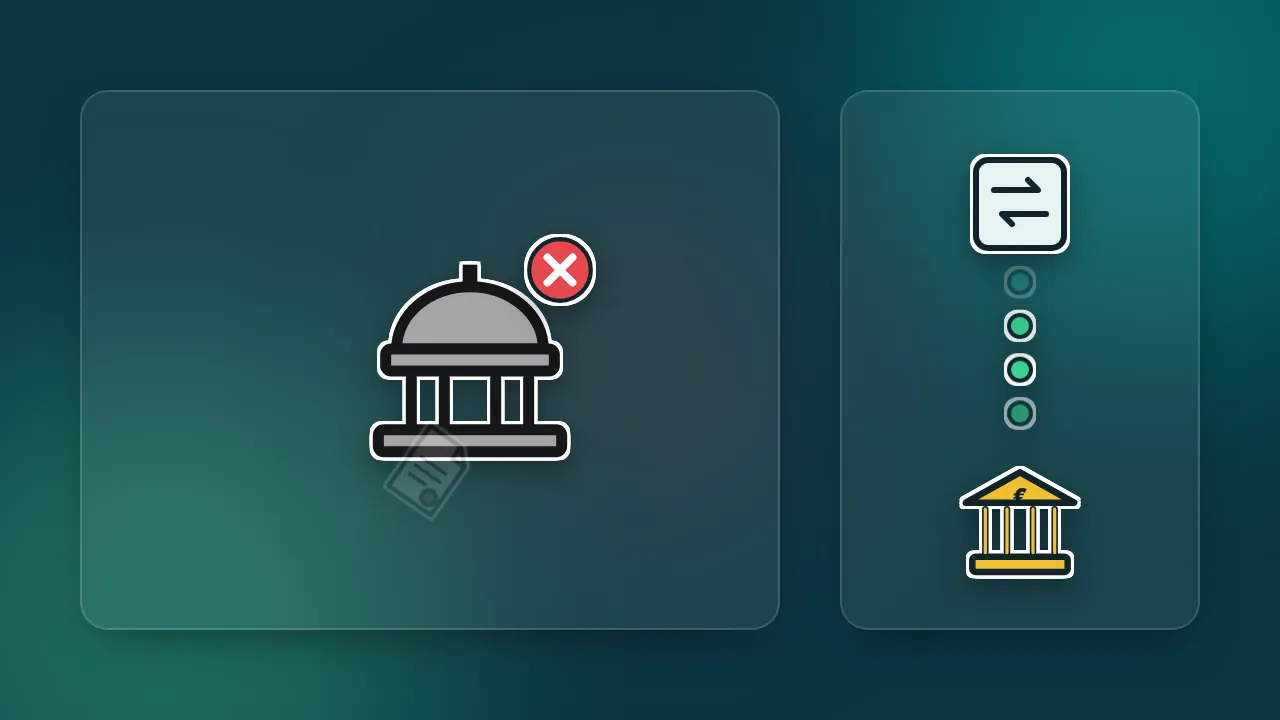
 What stays exactly the same for you?
Almost everything. The lapsed law was going to give the tax agency new tools, but taxpayers’ obligations were already set out in other rules that remain in force:
- Income tax (IRPF). Selling crypto, swapping it for another one or paying with it generates a gain or a loss that goes into the savings tax base, at rates from 19% to 30%. None of that depended on DAC8.
- Modelo 721. If on 31 December you hold more than €50,000 in crypto held in custody by platforms that are not Spanish, you file it between January and March. You have it all in the complete Modelo 721 guide.
- Modelos 172 and 173. Providers with a presence in Spain already report their customers’ balances and transactions to the tax agency. This comes from a 2021 law, not from DAC8.
- MiCA. The European regulation that requires exchanges to hold a licence applies directly and needs no Spanish law to work.
If you had years to put in order, the fall of the law changes nothing: the tax agency has four years to review each tax year and already has plenty of data. We explain it in I did not declare crypto: how to get up to date.
 Does the tax agency stop receiving data from European exchanges?
No. This is the point that is going to cause the most confusion. DAC8 is a directive: each country writes it into its own law, and it obliges exchanges in that country to report to their own tax authority on customers who live in other Member States. The authorities then pass that data between them.
Spain being late means Spanish law does not yet impose those obligations on Spanish providers. But an exchange based in a country that has approved it has been collecting, since 1 January 2026, the data of its customers resident in Spain to send to its own authority, which will exchange it with the Spanish one. The first exchange is scheduled for 30 September 2027 at the latest, covering the whole of 2026.
And outside the European Union, the OECD standard for crypto-assets (CARF) is following its own path, with dozens of countries committed. The web of information around your crypto has not stopped because of an election in Spain. How that data is cross-checked is explained in how the tax agency knows you have a cold wallet.
 Can Brussels penalise Spain for the delay?
It can, but not overnight. The deadline for incorporating DAC8 ended on 31 December 2025, and on 30 January 2026 the European Commission opened infringement proceedings against twelve Member States that had not done so, Spain among them. That is the first step: a letter of formal notice.
If the country does not catch up, the Commission can send a reasoned opinion and, in the end, take the case to the Court of Justice of the European Union, which can impose fines. With a caretaker government, which cannot table bills, the delay will run to months. The sensible expectation is that the law will return in 2027 with very similar content, because the directive leaves no room to change the essentials.
 So what should you do now?
The same as before the election, with one advantage: you have a few months of regulatory calm to get your numbers in order.
- File your 2026 tax return properly in the next campaign, with every sale, swap and payment made with crypto.
- Check whether Modelo 721 applies to you with your balances on 31 December 2026.
- Gather the history from all your exchanges and wallets. The data the authorities will exchange in 2027 will be from 2026, so what you do this year is the first thing the tax agency will be able to check against European information.
If you have already received a letter from the tax agency, do not wait for the new law: read what to do with a tax agency notice about crypto.
Summary: what has fallen and what is still standing
| What | Status after the dissolution | What it means for you |
|---|---|---|
| Crypto seizure in the General Tax Law | Lapsed with the bill | It will have to be approved again in the next legislature |
| DAC8 in Spanish law | Lapsed, with Spain in infringement proceedings | Exchanges in other countries that apply it keep reporting |
| Modelo 175 | Up in the air, depends on the law | No effect for now |
| Income tax on sales, swaps and payments | In force | You declare as always |
| Modelo 721 | In force | If you exceed €50,000 outside Spain on 31 December |
| Modelos 172 and 173 | In force | Providers in Spain keep reporting to the tax agency |
| MiCA | In force across the European Union | Only licensed exchanges can operate |
 Frequently asked questions
Can the tax agency no longer seize my crypto?
The law that was going to say so expressly has lapsed. That does not mean your crypto is untouchable: if you owe the tax agency money, it can seize accounts, wages and other assets, and request information from exchanges. What has fallen is the specific rule on how to seize crypto-assets.
Do I still have to declare my crypto?
Yes. The obligation to declare gains and losses in income tax and, if it applies to you, Modelo 721 did not depend on this law. They stay exactly the same.
Does DAC8 no longer apply in Spain?
The European directive exists and binds Spain. What is missing is the Spanish law that incorporates it. Meanwhile, exchanges in the countries that do apply it keep reporting on their customers resident in Spain.
When will the law come back?
When there is a new government that approves it in the Council of Ministers and sends it to Congress. The new Parliament is constituted on 23 December, so not before 2027. We will tell you when it happens.
Should I wait before regularising previous years?
No. The tax agency already has information from Spanish exchanges and other sources, and every month that passes counts towards the late-filing surcharges. Regularising before a formal request is still much cheaper than doing it afterwards. We go into detail in the penalties for not declaring crypto.
Don’t let politics stop you: sort out your history now
Laws come and go, but your transaction history stays the same. If you have crypto spread across several exchanges and wallets, send us your history and we will produce the document with all your exchanges and wallets using the global FIFO method the Spanish tax agency requires.
Sources: BOE: Royal Decree 806/2026 of 5 October dissolving Parliament and calling elections · General Council of Administrative Agents: the bill amending the LGT and DAC8 · Criptoinforme: the early election leaves the crypto seizure law unapproved · KPMG: the European Commission opens infringement proceedings over DAC8 · Directive (EU) 2023/2226 (DAC8)

Víctor Lázaro
Marketing Director, Cryptoimpuestos.es