Your exchange freezes your account, won’t let you withdraw or charges you a fee nobody explained. Until now, if the platform ignored you, there was no clear public office in Spain you could turn to. That is about to change: the CNMV (Spain’s securities regulator) wants to open its complaints service to customers of crypto exchanges and platforms.
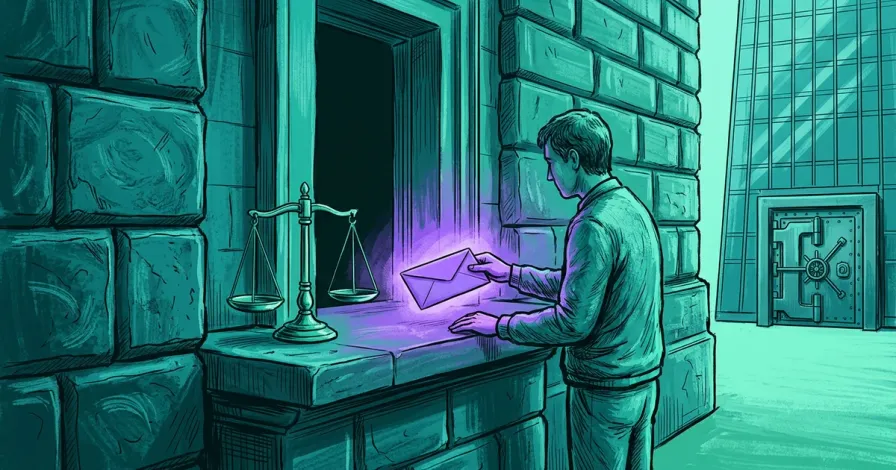
The short answer: on 15 October 2026 the CNMV put out to public consultation a draft circular that would let you complain to it about a crypto exchange, just as you can complain today about a bank or a broker. At CryptoImpuestos we have read the draft, and here is who will be able to use this route, how it will work and what you can expect from it. Bear in mind: it is still a draft, not a rule in force.
 What exactly has the CNMV approved?
Nothing final yet. What the CNMV has done is open the public consultation stage for a draft circular amending Circular 7/2013, the rule that governs how complaints, grievances and enquiries are submitted to and resolved by the CNMV.
The draft does five things:
- It extends the complaints procedure to crypto-asset services and to crowdfunding platforms.
- It takes the complaint forms out of the circular itself, so they can be changed without passing another rule.
- It reflects the creation of the Department of Investor Protection, Fraud Prevention and Financial Education.
- It updates legal references that had become outdated.
- It rewrites the text in gender-neutral language.
For you, the first point is what matters. Until now, this procedure was designed for customers of investment firms: banks selling funds, brokers, asset managers. Crypto exchanges were left out.
 Who will be able to complain to the CNMV?
The draft covers users of crypto-asset services as defined by the European MiCA regulation: custody, buying and selling for euros, exchanging one crypto for another, executing orders, transfers, advice and the rest of the services in article 3.1.16. In other words, what you do with an exchange or a crypto platform.
There is one condition that changes everything: supervision of that service must fall to the CNMV. The draft says so itself, in its third rule.
And there are exclusions. The following will not be able to use this route:
- Professional clients and qualified investors under MiCA.
- Anyone who has expressly asked to be treated as a professional.
If you are an individual who buys, sells or holds cryptocurrencies on a licensed platform, you are in. If you have asked to be treated as a professional to access riskier products, you are out.
 The detail almost nobody mentions: who supervises your exchange?
MiCA works with a European passport. An exchange obtains its licence in one EU country and, with it, can offer its services in the other twenty-six. Many of the platforms you use in Spain are licensed elsewhere: in Ireland, Malta, Luxembourg, Austria or Germany.
That matters here. The CNMV route covers the services the CNMV supervises. If your exchange holds its MiCA licence in another country, the main supervisor is that country’s authority, and the public complaint will, in principle, go there.
How to find out: the platform’s profile page or its terms state which authority granted its licence and under what number. The CNMV publishes on its website the register of providers authorised in Spain, and ESMA (the EU’s securities markets authority) keeps the European register of everyone holding a MiCA licence. If your platform appears in neither, the problem is a different and more serious one: it is operating without authorisation.
We touched on this when discussing the alternatives left when Binance stopped working in Spain: the licence is not a bureaucratic detail, it is what decides who protects you.
 What will the complaints process look like?
The draft keeps the usual logic: you complain to the company first and only afterwards to the supervisor.
- You complain to the platform. MiCA requires every licensed provider to have a free, published complaints procedure and to reply within a reasonable time. Do it in writing, through the official channel, and keep the receipt.
- You wait for its reply. If you get one and it satisfies you, that is the end of it.
- If they do not reply in time or they say no, you go to the CNMV’s complaints service with the paperwork.
- The CNMV examines the case and issues a report.
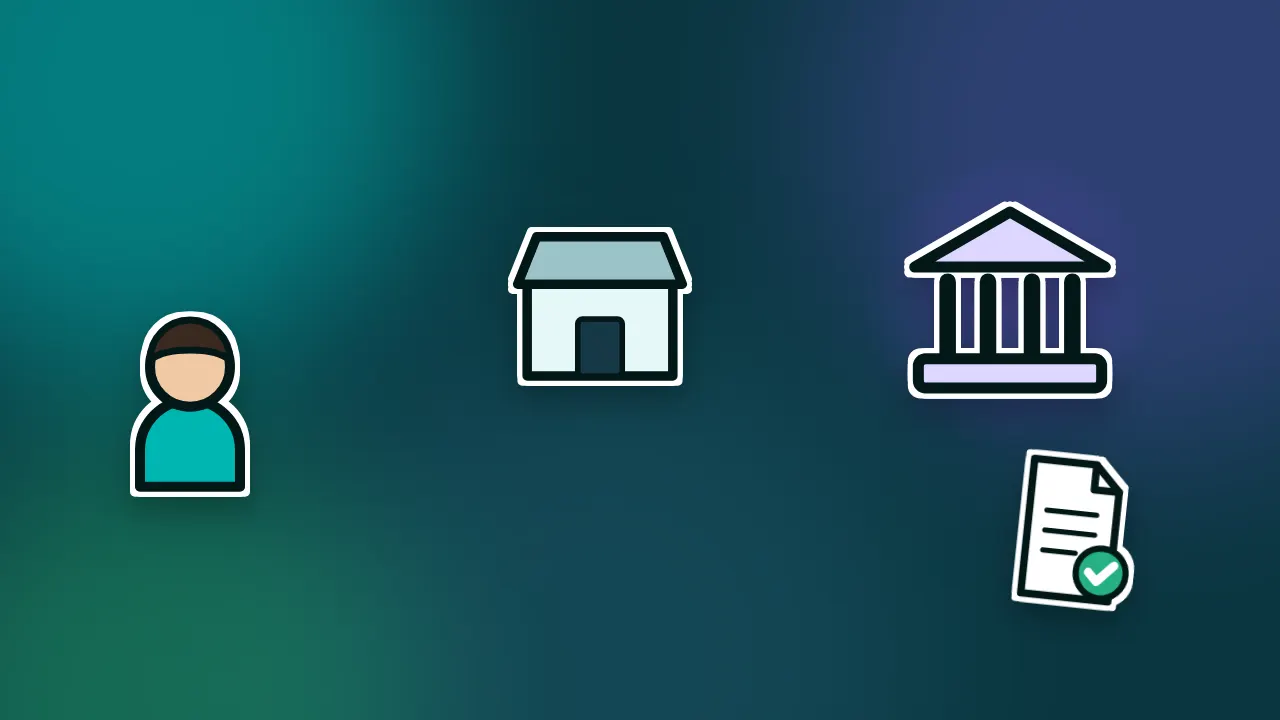
The draft leaves the specific forms out of the circular, so the CNMV will publish the exact form on its website once the rule is in force.
 What can the CNMV achieve, and what can’t it?
This is where it pays to lower your expectations, because it is where news of this kind is most often misread.
The CNMV’s complaints service is not a court. As it works today with banks and brokers, the case ends with a non-binding report: the CNMV says whether the firm acted correctly or not under the conduct rules, but it cannot force it to give you your money back. Many firms put things right when the report goes against them, because it stays on record with their supervisor, but they are not obliged to.
What it does offer:
- It is free and you do not need a lawyer.
- It leaves your case documented with the supervisor, which sees which platforms are piling up complaints.
- The report serves as support if you later decide to go to court or to arbitration.
What it does not solve:
- A scam. If you have signed up to a fake platform, that is a crime and goes through the criminal courts. We explain it step by step in what to do if you have been scammed with cryptocurrencies.
- An unlicensed platform. If it is not authorised, the CNMV does not supervise it and this route does not apply. The day after opening the consultation, on Friday 16 October, the CNMV warned about four crypto websites operating in Spain without MiCA authorisation, as reported by Merca2.
- An orderly closure like CoinEx’s, where what you need to do is get your money out in time. You have it in what to do if CoinEx closes.
 When does it come into force?
The deadlines set out in the draft itself:
- Until 16 November 2026: anyone can send comments on the draft, in writing, to the email address of the CNMV’s complaints service.
- After that, the CNMV Board approves the final version, following the report of its Advisory Committee.
- The circular comes into force twenty days after it is published in the BOE (Spain’s Official State Gazette).
None of those dates has been set yet. Until it appears in the BOE, the route does not exist as such. That does not stop you complaining to your platform today: it has been obliged to handle complaints under MiCA since it obtained its licence.
 And what does all this have to do with the tax agency?
Directly, nothing: the CNMV is not the AEAT (Spanish tax agency) and a complaint does not change your taxes. But there is common ground that matters to you.
To complain, just as to file your tax return, you need your complete history: deposits, trades, withdrawals and fees. If a platform freezes your account, the first thing you will lose is access to that history. Download it regularly. There are step-by-step guides for Coinbase, Kraken, Bit2Me and the rest of the exchanges on our blog.
And if you end up recovering funds after a complaint, or lose them for good, that also has its own treatment in your income tax return.
Summary: what changes and what doesn’t
| Question | Answer |
|---|---|
| What is it? | A draft so that the CNMV handles complaints against crypto platforms |
| Is it in force? | No. Comments until 16/11/2026; in force 20 days after it appears in the BOE |
| Who can use it? | Retail customers of crypto services supervised by the CNMV |
| Who can’t? | Professionals, qualified investors and customers of platforms licensed in another country |
| Do you have to complain to the platform first? | Yes, always to the platform first |
| Does it get your money back? | Not directly: the report is not binding |
| Does it cost anything? | No |
 Frequently asked questions
Can I already complain to the CNMV about my exchange?
Not through this route yet: it is a draft under public consultation. What you can and should do now is complain to the platform itself, which under MiCA is obliged to have a complaints procedure.
My exchange is licensed in Malta or Ireland. Does this work for me?
In principle, no. The route covers the services the CNMV supervises. If the MiCA licence was granted by another country, the main supervisor is that country’s, and that is where the public complaint goes.
Can the CNMV force the exchange to give me my money back?
No. The procedure ends with a non-binding report. Many firms put things right when it goes against them, but if they do not, the way to demand it is through the courts or arbitration.
Does it help if I have been scammed on a crypto website?
No. A scam is a crime and is reported to the police or the courts. Besides, if the website has no licence, the CNMV does not supervise it. What you can do is check before investing whether a platform is authorised.
Can I comment on the draft?
Yes. Anyone can send written comments until 16 November 2026 to the email address the CNMV gives on the consultation page. The responses are published when the consultation closes, unless you ask for yours not to be.
If you have a problem with your exchange, start with your history
Complaining, filing your return or catching up with the tax agency all start in the same place: having your complete transactions before a platform shuts the door on you. If you do not know where to start, send us your history and we will produce the document with all your exchanges and wallets using the global FIFO method the tax agency requires.
Sources: CNMV draft circular amending Circular 7/2013 (public consultation, 15/10/2026) · CNMV public consultation summary sheet · Regulation (EU) 2023/1114 (MiCA)

Víctor Lázaro
Marketing Director, Cryptoimpuestos.es