In about twenty minutes, on the night of 29 October, some 6.3 billion dollars left Binance’s wallets. It is the largest crypto theft on record, about four times the Bybit theft of 2025. Three days later, the platform reopened withdrawals and said it had replaced 95% of what was stolen.
The short answer: if you had money on Binance and your balance is still intact, the Binance hack does not give you any loss to declare. What does have consequences with the Spanish tax agency is whatever you did in the panic: withdrawing to your wallet is not taxed, but selling or switching to another coin in a hurry is. At CryptoImpuestos we have gone through the data published up to today, 2 November, to separate what has happened to Binance from what affects you.
 What happened in the Binance hack?
The attackers emptied Binance’s hot wallets, the internet-connected wallets any exchange uses to handle day-to-day withdrawals. If you are not clear on the difference between a wallet and a balance, we explain it in how to move crypto to your wallet.
What is known so far:
- How much. Binance and the FBI speak of about 6.3 billion dollars. The analytics firm TRM Labs puts it at 6.36 billion, spread across ten blockchains.
- What. According to TRM Labs, the stolen assets include 18,270 BTC, 200,630 ETH, 1.875 billion USDT and 823 million USDC on Ethereum, 233 million XRP and 970,500 SOL.
- Who. The FBI attributes it to TraderTraitor, a North Korean group linked to Lazarus and responsible for the theft of 1.5 billion dollars from Bybit in 2025.
- What they are doing with the money. The FBI has seen them convert the stolen funds mainly into ETH and expects them to launder it through DeFi services.
Part of it has not got very far. Binance speaks of about 3 billion dollars immobilised, and TRM Labs counted 2.7 billion in the first few hours, mainly USDT and USDC. There is a technical explanation: whoever issues those stablecoins can freeze them. With BTC and ETH that option does not exist.
The market felt the blow. At the worst moments, BNB fell by nearly 10%, ETH by around 6% and BTC by around 5%.
 Has customers’ money been lost?
According to Binance, no. The platform says it is absorbing the impact, not its users, and it has been replacing what was stolen with its SAFU emergency fund, its futures insurance fund and its own treasury: 80% on Friday, 90% on Saturday and 95% on Sunday.
The missing 5% consists of tokens outside its top 10, which are less liquid and which it is still buying on the market. It is worth understanding what “replacing” means: the money has not been recovered from the attackers, Binance has put in its own.
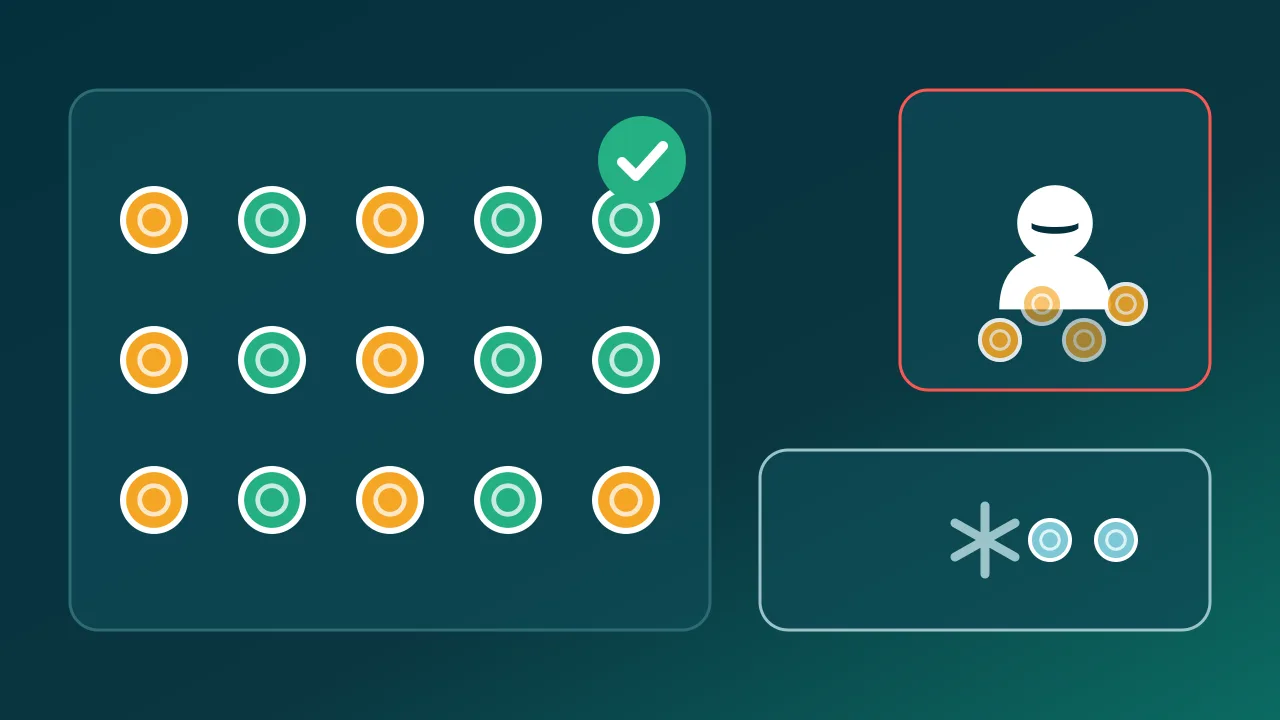
On 2 November, Binance published a proof of reserves for ten assets with data from 31 October: BTC, ETH, USDT, BNB, SOL, USDC, XRP, USD1, RLUSD and ZEC, which it says are backed at least 100%. It is a cryptographic check each customer can run against their balance, not a full financial audit of the company. The detailed report on the incident is still pending, with no date.
 Can you get your money out of Binance?
Binance began reopening withdrawals in phases on Sunday 1 November, starting with Bitcoin. The first phase was completed that same day with 15 networks, including those for ETH, USDT, USDC, BNB and XRP. It has announced more networks and assets from 3 November, without specifying which.
Many people took the chance. Between 06:00 and 15:30 (GMT) that Sunday, 4.65 billion dollars went out and 1.01 billion came in: a net outflow of 3.64 billion, around 2.1% of its assets.
There is an important nuance in Spain. Binance does not have a MiCA licence and since 1 July 2026 it has not operated normally here: what remains is selling and withdrawing. If you still have a balance there, we go through the options in what to do now that Binance does not work in Spain.
And a practical warning: after a hack there is a surge in fake emails and messages asking for your details to “verify” or “recover” your account. Always go in through the app or by typing the address yourself.
 Do you have to declare anything because of the hack?
If your balance is still the same, no. For the tax agency, there is only a loss when your wealth really goes down. If Binance replaced what was stolen and your coins are still there, nothing has happened that needs declaring.
A fall in the price does not count as a loss either. As long as you do not sell or swap your crypto, a drop is just that: a drop. The gain or loss appears when you dispose of it.
 Withdrawing is not taxed, but selling in a hurry is
This is what can really end up on your tax return. Many users have moved their money these days, and not all moves count the same:
- Withdrawing to your own wallet is not a sale or a swap. You still own the same coins, with the same purchase cost.
- Selling for euros or stablecoins is a disposal. It produces a gain or a loss that goes on your tax return.
- Swapping one crypto for another, for example BNB for BTC, is a swap. Even if you never see a euro, it is taxed too.
The calculation uses the global FIFO method: the first coins you bought, on any platform, are the first considered sold. If you bought cheaply years ago and sold now, you can have a gain even if you feel you have come out worse because of the fall of these days. And if you sold at a loss, you can use it to offset: we explain how in how to offset crypto losses in your tax return.
There is one small detail almost nobody looks at. The network fee on a withdrawal is usually paid in the coin itself, and the part you hand over can count as a small disposal. The amounts are tiny, but they go into the calculation.
 When can a hack produce a capital loss?
Only if you really lose out and can prove it. In this case, with Binance saying it is covering what was stolen, an ordinary customer should have nothing to declare because of the hack.
If in the end there were users with part of their balance not replaced, each case would have to be looked at. There is no single rule for crypto thefts: what matters is how the loss came about, whether it is final, whether you have been compensated and what you can prove. As long as the platform keeps paying or replacing, it is hard to argue that the loss is consolidated. If it ends in insolvency proceedings, the criteria of the DGT (Spain’s Directorate-General for Taxation) that we explain in crypto exchange bankruptcy: what happens to your coins set when you can declare it.
If you have a real problem with your balance, complain to customer service first and put it on record in writing. The CNMV (Spain’s securities regulator) route we describe in how to complain about a crypto exchange is designed for platforms with a MiCA licence, and Binance does not have one in Spain.
 Why you should download your Binance history now
Whatever has happened to your balance, this is the moment to download your full history. The account works today, but Binance does not operate normally in Spain and has just suffered the largest theft in history. It makes no sense for your tax return to depend on the website staying the same when you need it.
That file proves what you had, what it cost you and what you moved, including during these rushed days. Without it, the global FIFO across all your platforms does not add up. You have the steps in how to download your Binance history.
Summary: what affects you from the Binance hack
| Your situation | Does it concern the tax agency? | What to do |
|---|---|---|
| Balance intact and you have moved nothing | No | Download your history |
| You withdrew to your own wallet | Not for the withdrawal; the network fee can be a small disposal | Keep your original purchase cost |
| You sold for euros or stablecoins | Yes: a gain or a loss | Calculate it with global FIFO |
| You swapped one crypto for another | Yes: it is a swap | Calculate it with global FIFO |
| Part of your balance not replaced | Only if the loss is real and you can prove it | Complain and study your case |
 Frequently asked questions
Have I lost my money in the Binance hack?
Binance says no, that it is absorbing the impact and has already replaced around 95% of what was stolen. Check your balance in the official app and compare it with your history. If it does not match, complain in writing.
Do I have to declare the hack in my tax return?
If you have lost nothing, no. What you declare are your own transactions for the year, including any sales and swaps you made in the panic.
Is withdrawing my crypto from Binance to a wallet taxed?
No. Moving coins to a wallet of your own is not a sale. Only the network fee paid in crypto can count as a small disposal.
I sold everything out of fear. What happens now?
That sale goes on your 2026 tax return as a gain or a loss, calculated with the global FIFO method. It is not cancelled because you sold in a hurry or because the market recovered afterwards.
Can I declare the price fall as a loss?
No. A price drop is not a tax loss while you hold on to the coins. The loss appears when you sell or swap for less than they cost you.
Don’t let the scare cost you on your tax return too
If you have moved money between Binance, other platforms and your wallets these days, the hard part will come when you do your tax return. Send us your history and we will produce the document with all your exchanges and wallets using the global FIFO method the Spanish tax agency requires.
Sources: TRM Labs: North Korea Steals USD 6.36 Billion From Binance · CNBC: Binance’s $6.3 billion hack, what we know · CNBC: net outflows after withdrawals resume (02/11/2026) · CoinDesk: Crypto Markets Today (02/11/2026) · CoinDesk: the FBI confirms North Korea’s role · Euronews: Binance confirms a major hack · crypto.news: Binance completes reserve proof for 10 tokens

Víctor Lázaro
Marketing Director, Cryptoimpuestos.es